A behind the scenes look at how I work with handler/dog teams
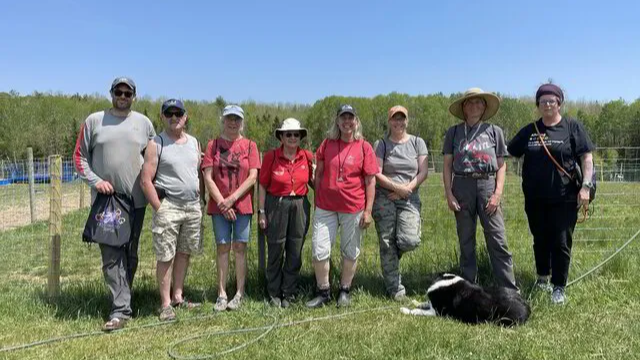
As I move into the next few months of in-person clinics (in British Columbia, Saskatchewan & Nova Scotia), I thought I would share an insider view of how I serve my students at different levels. I am so fortunate to be able to share my passion of helping people improve their relationship with their stock dog.
When you're just starting out with understanding the concept of stock dog training, your focus should be on learning more about the innate movement of the stock & dog. I call this the "macro" view, as the person hasn't experienced enough yet to progress to a deeper level.
After you & your dog are capable of calmly moving the stock, using basic balancing techniques, you will want to start adding in more challenging movements (for both of you), such as driving and flanking on command.
From there, it's important to keep perfecting these clean movements, so that you can continue to grow and succeed. Does your dog truly understand the meaning of a verbal/whistle command? Now we are looking through the "micro" view lens.
It’s also critical to keep adding in new little challenges within each session.
Recently, I met with my monthly Herding Hub Group Coaching Group. As we reviewed their training sessions, we discussed the idea of adding something new to each & every session, so that the dog & handler don’t get stuck in the circling/balancing rut!
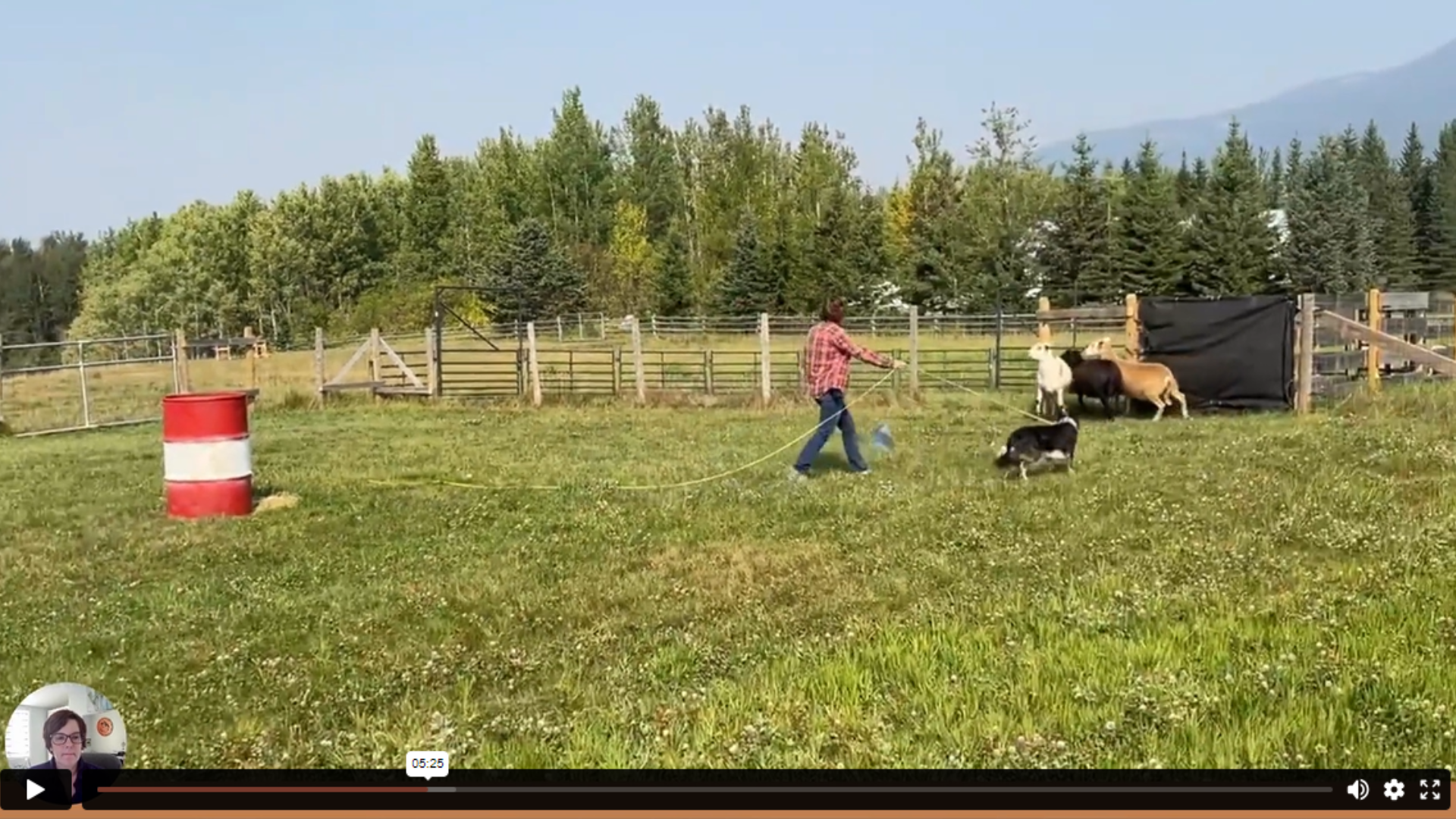
For example, one handler has a pushy, forward dog and this dog’s behaviour lends itself to allowing the dog to dictate the movement of the stock. The handler gets drawn into “following” and “correcting” the dog, as opposed to the handler dictating where the sheep move to.
If this was a practical situation on the farm, the sheep would never get out to pasture for many months if ever!
Typically I find the endless “walk-abouts” for balance work more of a default as people aren’t sure where to go next. ⠀⠀⠀⠀⠀
Uncertainty of controlling their dog.
Uncertainty of doing something out of their comfort zone.⠀⠀⠀⠀⠀⠀⠀⠀⠀
All of that said to remind you - what you focus on grows.⠀
In this case, my suggestion was to “get in, get out” quickly on the correction and then start doing some driving with the dog, add in an occasional off-balance flank.
In this case, my suggestion was to “get in, get out” quickly on the correction and then start doing some driving with the dog, add in an occasional off-balance flank.
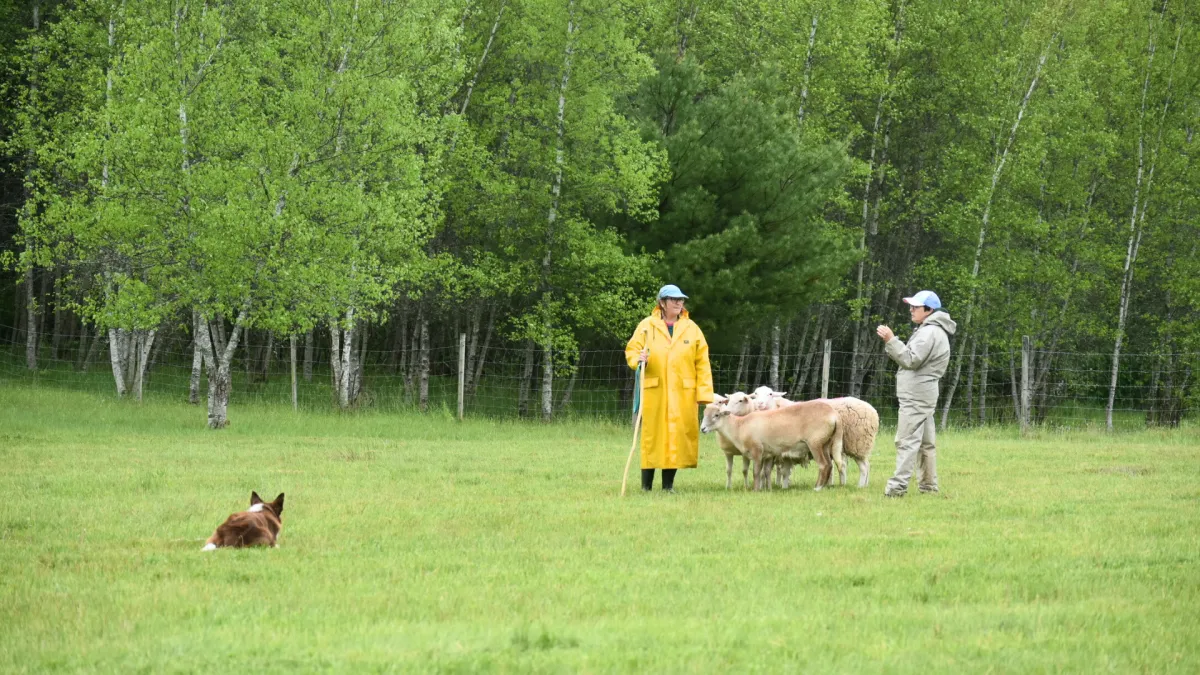
The first thing I do with every student & dog I meet is assess the behaviour the dog demonstrates on the stock and the ability the handler has to control the dog. This allows us to make any adjustments to ensure the foundation is solid. Is the dog chasing the sheep? Is the dog lacking confidence?
From there, I break it down into bite-sized steps so there’s no guesswork. And nothing feels overwhelming or like it’s too much to accomplish. Everything seems doable – because it IS!
Need some fresh ideas for training with your High-Energy, High-Drive dog?
Join us today for a FREE Masterclass