What's the easiest way to praise your stock dog? Learn How to use Body Language to Communicate
What’s the easiest way to praise your stock dog during training?
Well it’s not by using your voice, it’s actually to perfect your ability to effectively communicate. So what’s body language all about?
“A conversation conducted through subtle shifts in energy and posture.”
Effective stock dog training relies heavily on clear, concise communication. And in fact, one of my two “non-negotiables” skills that every stock dog must understand is based on today’s topic: Pressure & Release.
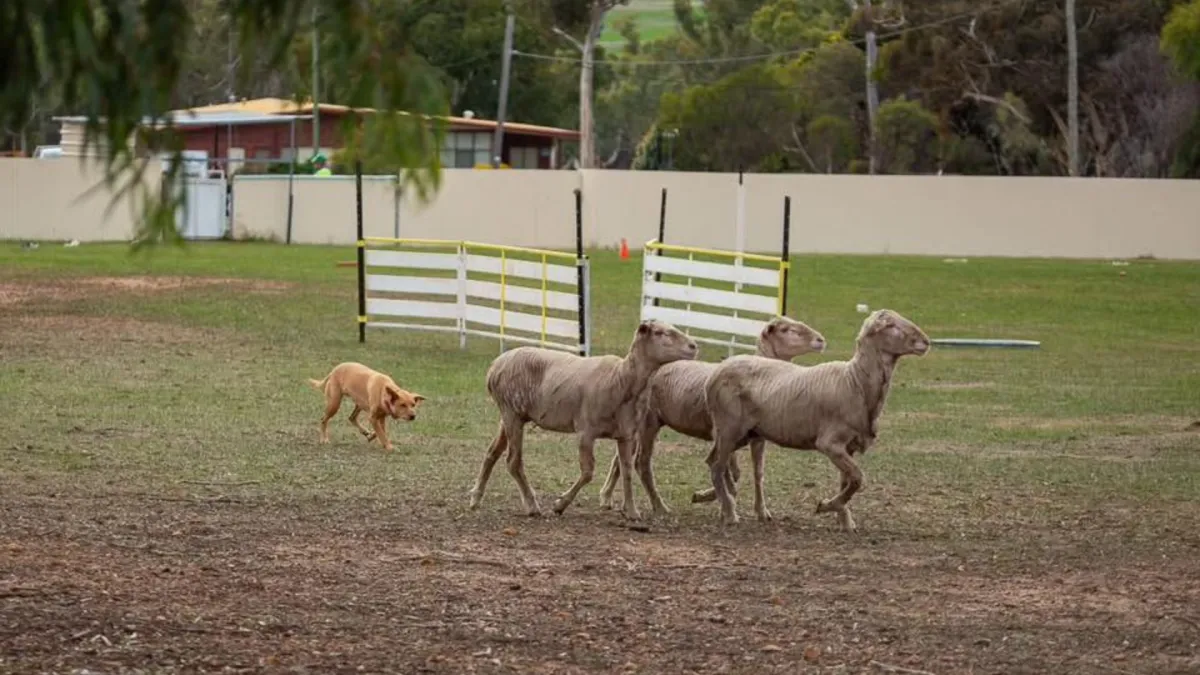
Because we work at a distance from these dogs, communicating through body language is critical early in training and this blog demonstrates how to apply pressure and release techniques.
Understanding Pressure:
Pressure, in this context, isn't about harsh corrections or intimidation. It's about using your body and voice to subtly guide your dog's behavior.
This can manifest as:
Body Positioning: Your stance, proximity to the dog, and the direction you face all influence your dog's actions. A more assertive stance and closer proximity can create pressure, while a relaxed posture and increased distance can release that pressure.
Vocal Tone: The subtle shift in your vocal tone—from a firm command to a softer encouragement—can also signal pressure and release. The change in your voice is vital.
Tools: Are an extension of your body position and will guide and emphasize.
The Importance of Release:
"Release is not merely the absence of pressure; it's an active communication of approval and praise."
It's the moment your dog understands the desired behavior, and you acknowledge it through a change in demeanor:
Relaxed Posture: Shifting your weight, softening your expression, and reducing your intensity communicates approval.
Softer Vocal Tone: A gentler tone reinforces the positive association.
Change of Direction: Moving away from the dog slightly after a correct action.
As the dog understands the desired movement and command, the body language will be decreased. Mastering pressure and release in stockdog training goes beyond simple commands; it’s about developing a nuanced communication style.
By becoming attuned to your dog’s responses, you can use subtle shifts in voice and body pressure to guide and reward your dog more effectively.
Head into the training session with Jen ⤵️
Get My 5 Key Strategy Guide here or select the image below.

