Things are not always what they seem: Understanding the Layers to Stock Dog Development
In a world where "expert" advice is easily accessible, it's tempting to look at something remarkable and assume it has always been that way.
Whether it's a fully trained stock dog working seamlessly with its owner or a gourmet dish being served at an upscale restaurant, we often forget the layers of dedication, practice, and transformation that lead to the final masterpiece.
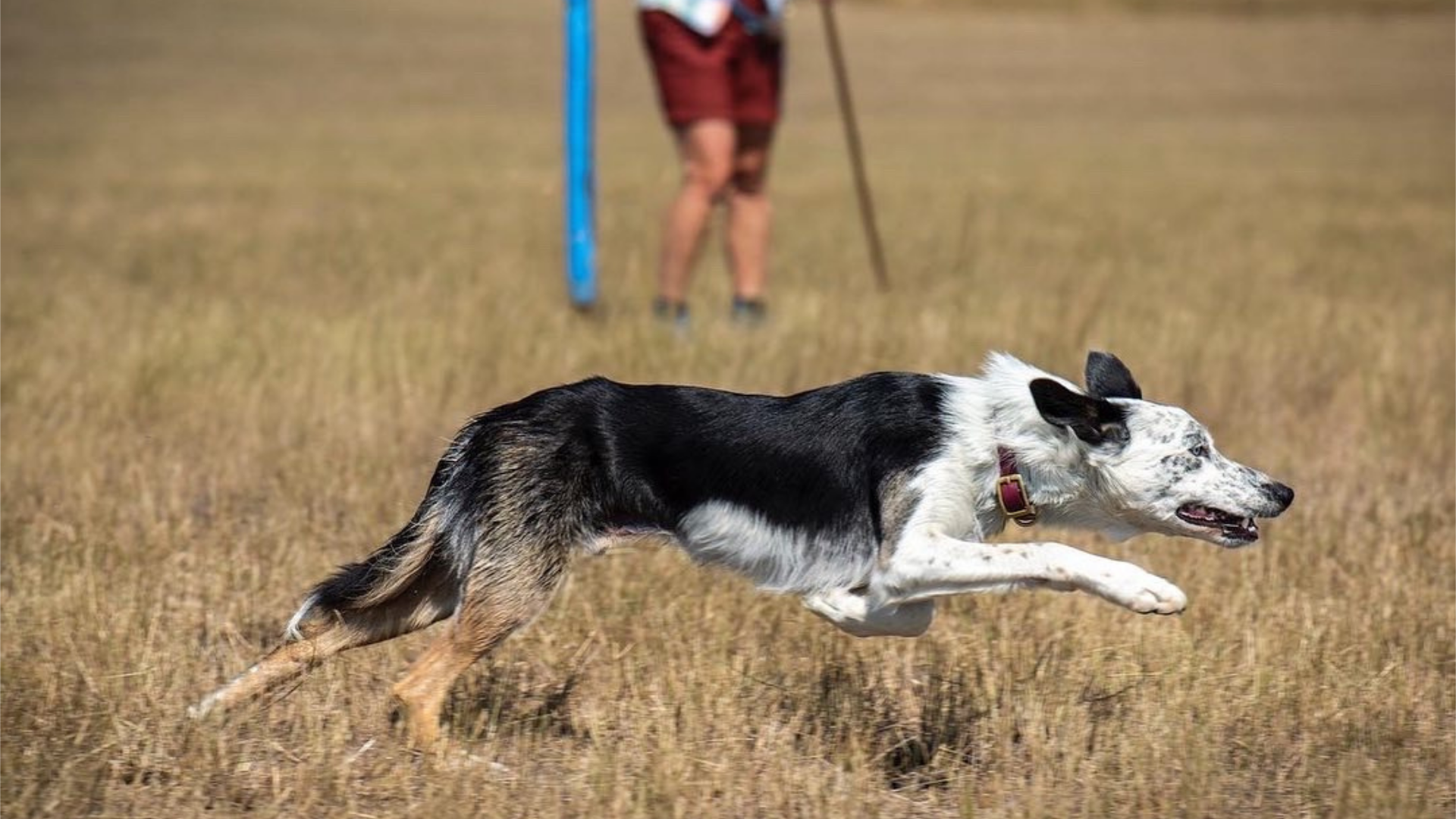
Recently, I was in a discussion with a student about why she would want to teach her dog a Down command for working sheep. She replied that she regularly watches a particular sheep dog trainer who never laid their dog down while working. The dog just flowed from command to command without a stop in-between. The trainer stated that he preferred the dog’s not to lie down. The dog should work naturally.
Here’s the thing…. Let’s go back to the cooking metaphor.
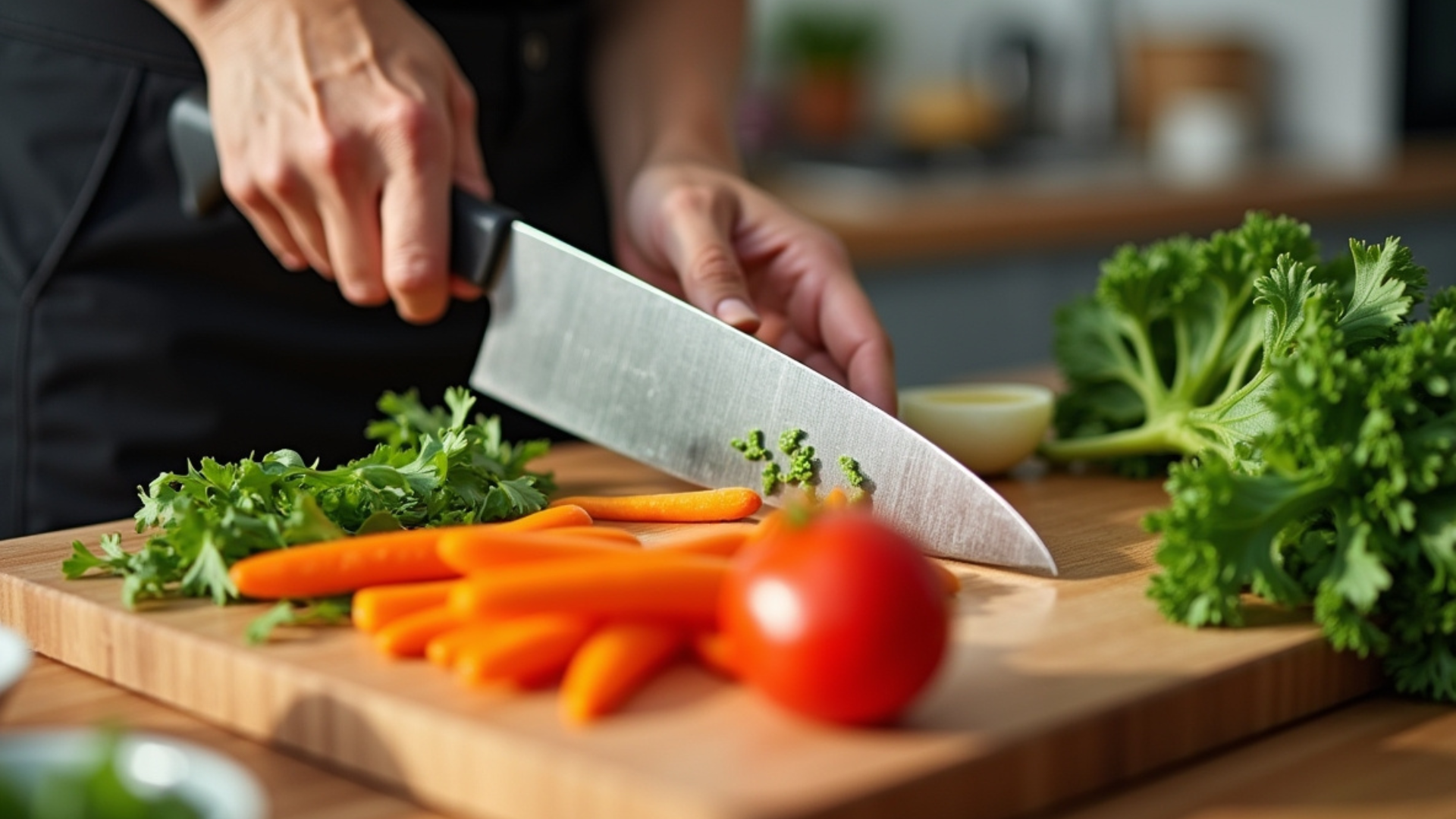
A Michelin-star meal doesn't start that way—it begins as a collection of diverse ingredients.
The chef must possess a deep understanding of flavors, techniques, and presentation to transform these simple components into a dish that not only satisfies hunger but also pleases the senses.
This expertise is not developed overnight; it is the result of years of rigorous training, where the chef learns the intricacies of culinary arts, from knife skills to flavor pairing and cooking methods. The chef was first an apprentice in many kitchens with years of discipline and passion focused towards becoming a top chef.
The meal served to you reflects countless years of learning and skill acquisition.
This applies to expert stock dog trainers and the dogs they are handling. Many trainers have spent years handling livestock, often working as shepherds or managing cattle ranches.
They have typically trained hundreds of dogs to excel both on the farm and in competition. Therefore, when you observe them working with their trained dogs, you are witnessing the “finished” product or an "unfinished" dog that is being handled by a professional.
For example, this professional’s timing and understanding of livestock may allow their dog to maintain fluid motion, while a less experienced handler might need to use firmer stops to adjust timing.
It's important to note that an expert can most likely stop their dog at any moment if necessary, and during the early stages of training, these dogs were likely stopped much more frequently than the finished dog.
Why Expecting perfection too soon hinders your stock dog's progress."
"Things are not always what they seem; the first appearance deceives many."
Phaedus
Need some fresh ideas for training with your High-Energy, High-Drive dog?
Join us today for a FREE Masterclass