How to develop Pace in your young stock dog Part 1: Teach your dog to slow down
One of the fundamental skills every stock dog needs is the ability to change pace — to slow down or pick up speed as required. This flexibility helps the dog work efficiently and stay in sync with the sheep and the handler. This week we will focus on the “slow down” part of the equation.
In my training sessions, I emphasize the importance of the dog being able to adapt their pace, especially when walking behind sheep or driving them in different situations.
A great tool I use during this process is a flag, which acts as an extension of my arm. The flag helps remind the dog to pay attention, especially when working at a distance from each other. When I raise or wave the flag, I’m giving a cue to the dog to adjust their speed accordingly.
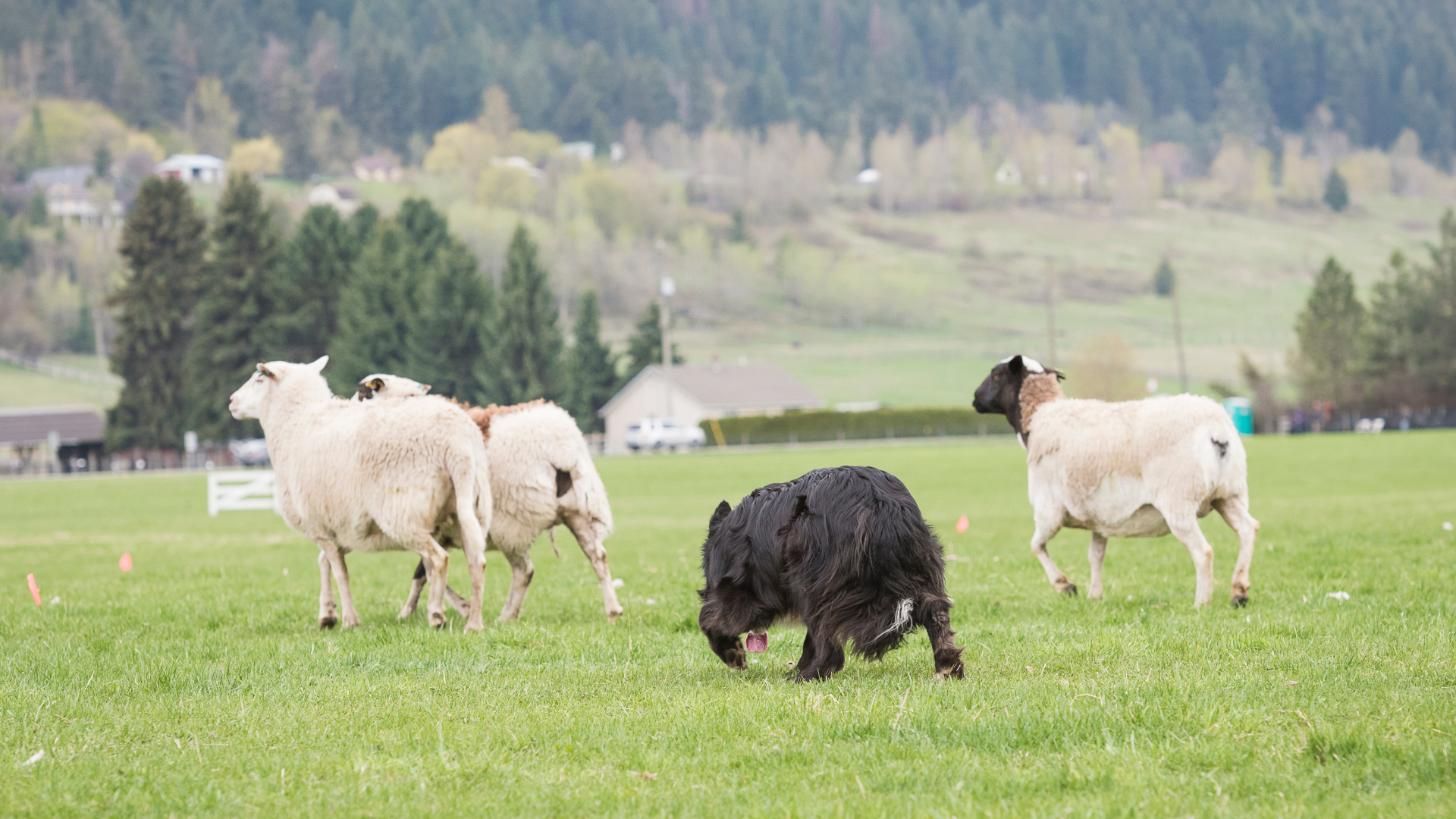
To make the training effective, I move to a larger field where the sheep can flow more naturally, giving Ted the opportunity to practice changing gears — from fast to slow and vice versa. This transition is essential for control. As Ted matures, this skill will be developed further so that he can respond intuitively to pace changes.
I also use my voice for both commanding, correcting, and praising. The commands should be quiet, clear and consistent. The corrections are a growl or my gruff voice. Most of the praise is simply allowing him to work quietly with the sheep. The reward for his change of pace.
Ted is learning the STEADY command both on whistle and voice. Here's a Behind the Scenes look at how I work with handler/dog teams both in-person and online.
It's important to note that when training pace control, you should avoid slowing your young dog down too much without also teaching them to speed up. If the dog slows down excessively without being able to pick up the pace again, they might lose momentum, which can hinder their ability to drive the sheep efficiently.
Watch the lesson below.
As a note, in this particular training video, Ted is still figuring out how to drive the sheep effectively. He should remain behind the sheep rather than trying to gather them — it's about controlling the pace and flow, not the herd itself.
To support Ted, I keep walking with him, providing subtle cues and helping him stay in the correct position.
By consistently practicing these cues and gradually increasing the difficulty, your young dog will learn to adapt their pace smoothly and effectively, ultimately be able to adjust pace with little guidance from the handler.
Get My 5 Key Strategy Guide here or select the image below.

