How to teach your dog to control it’s “chase” instinct as it relates to pace. (Part 2 of 2)
A quick summary from Part 1 (LINK HERE). If a dog doesn’t understand the expectations on HOW to move the stock, then the dog will often default to an uncontrollable chase mode.
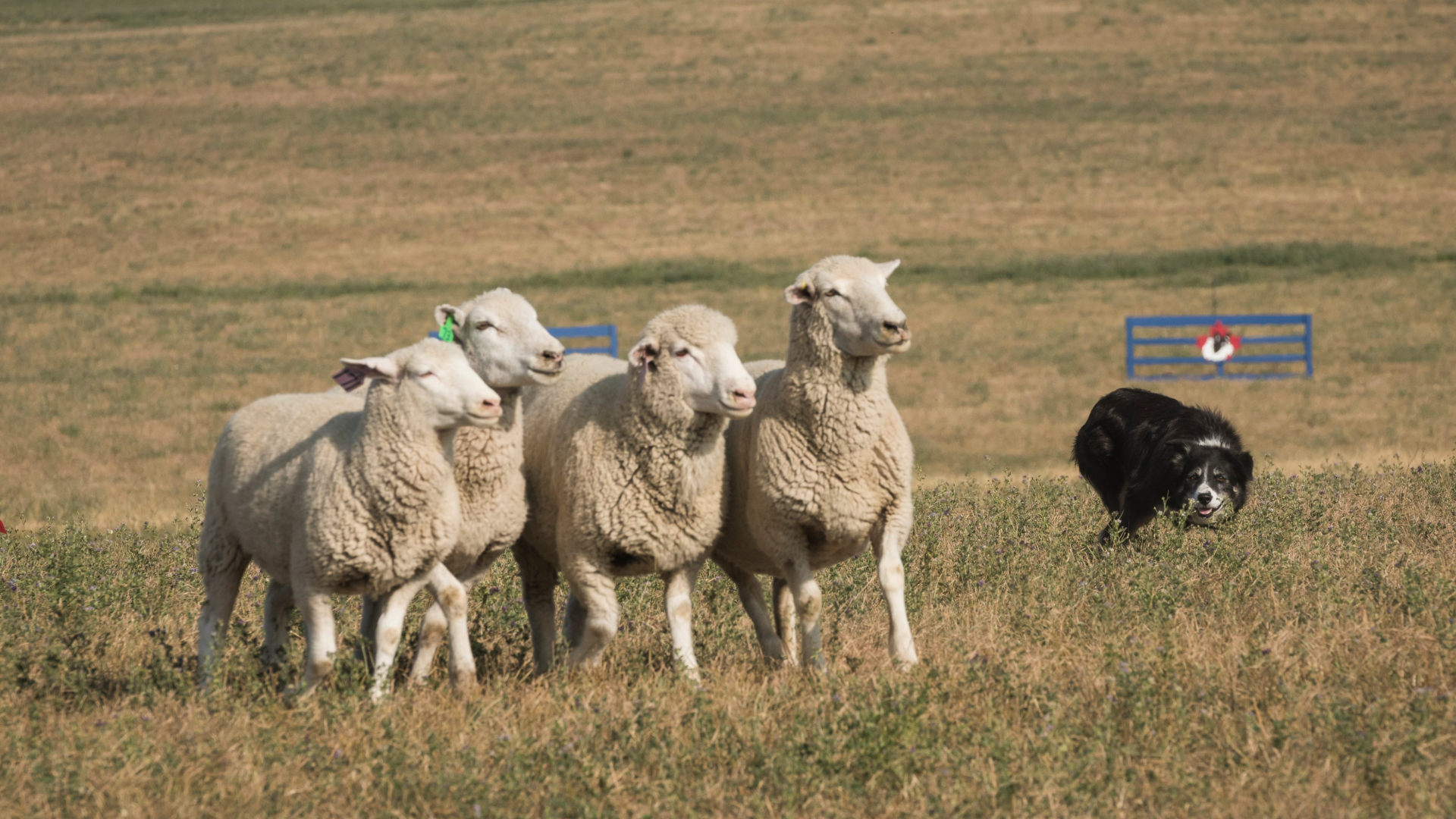
This chasing or rushing of the stock often happens on the fetch once the dog has gathered the stock and is bringing the stock to the handler.
Step 1: Asks handlers to list their own strengths & weaknesses
Step 2: The handler will analyze the dog’s strengths & weaknesses
Step 3: Begin the process of teaching the dog to self-regulate movement on the lift (approach) to stock.
So from here…..
We’re just about done. There are just three more Step #4: Educate the dog to “Feel” the flight zone
Here’s what to do next:
When I send my dog to gather sheep 300,400, 600 yards to gather sheep, I can’t always see what’s going on as they approach the sheep. This means that I have to trust my dog to be able to handle the situation. I want to be able to let them do their job, and to also be biddable and understand the commands asked.
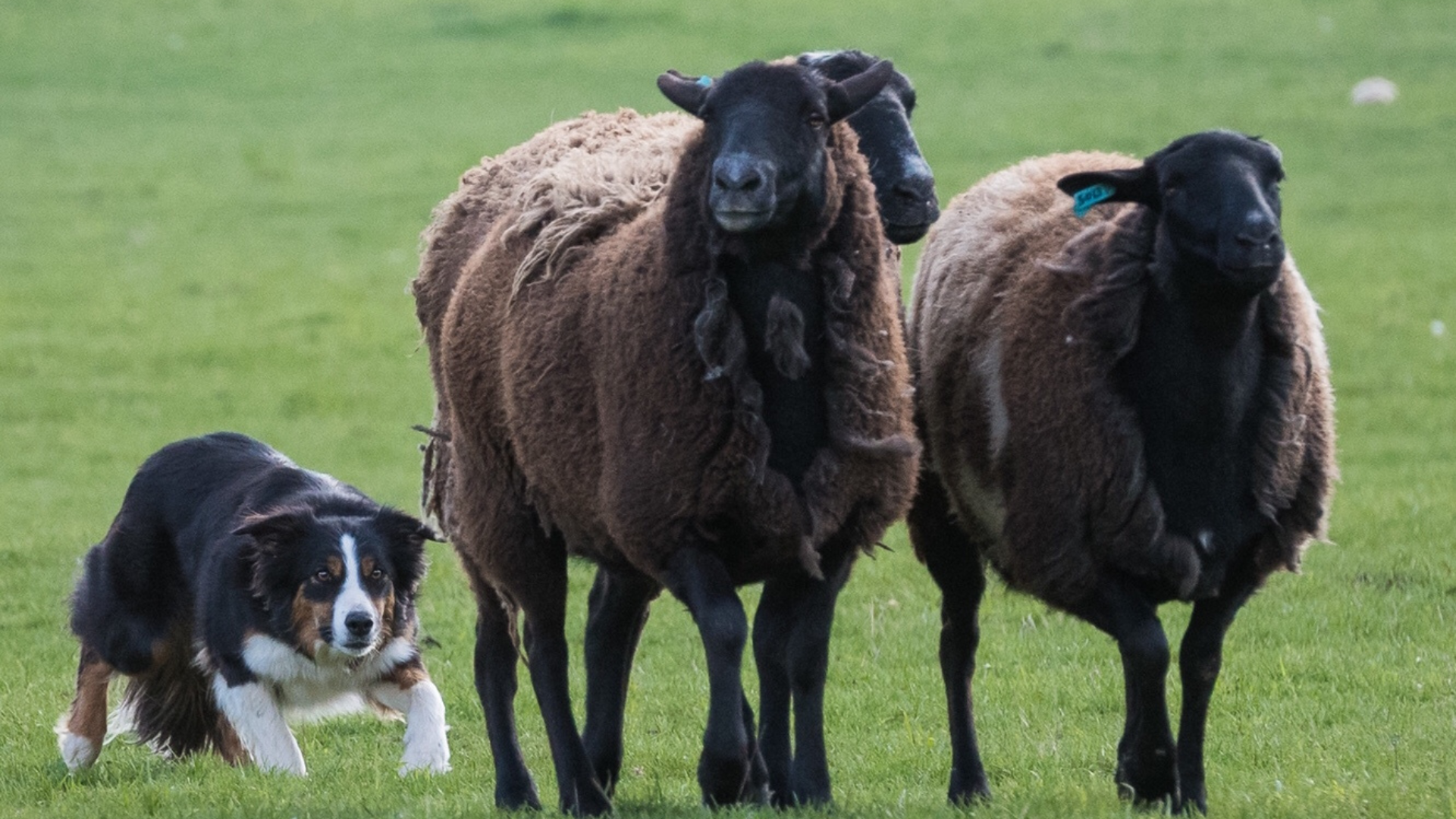
This is why I spend so much time on Step #3. I want my dogs to be able to read the stock and adjust their pace according to the situation.
What to look out for:
No matter what you do, if the pace is too fast on the fetch - don’t let the dog dictate the chase! Go back to being closer to your dog and stock, shorten the distance and make sure the dog respects your body pressure & voice. The dog should ease up if you block movement because the dog realizes that if he does, he will be rewarded by being allowed to work the sheep again (the release).
If you do allow the chasing on the fetch, you’ll only risk the stock getting stressed, as well as the pattern of behaviour developing for your dog. So get things down pat, close up first! As the saying goes, “A good plan gets you into the race, but sticking with it propels you into the winner's circle.”
Keep going! You’re nearly there.
Step #5: Stop over-commanding
When the dog is out of control, we resort to trying to control the behaviour by micromanaging the dog’s movement. The problem is this over-commanding leads to increased tension in the dog because the dog is never allowed to work.
Set up your expectations of how the stock should be moved and then stick with these expectations as you educate your dog on how to work with the flight zone. Make sure to not only apply pressure in a timely manner, but more importantly release the pressure quickly, so the dog understands what “feels” good. The dog will then seek out this feeling.
What to look out for:
The number one sign that your dog is being micromanaged is the overuse of the DOWN or stop command. If you feel that you are constantly “on edge” while working your dog, you may be over commanding.
I recommend recording a training session to identify if you have this problem.
Yes, there are some genetic components to the dog’s ability to “feel” the flight zone, but much of this can be trained too.
Step #6: Move forward with your training
This is the last step. Get ready to celebrate!
Many stock dog handlers will learn about a new training strategy or technique and then implement this one exercise with each of their dogs - over and over and over again. Progress becomes almost non-existent.
Does this sound familiar? Get inspired here watching English Ricky Hutchinson's Jonah. LINK HERE
Here’s how to get the best results with this:
Be clear on how your dog should move within the flight zone
Be prepared to put in the time for improved patterns & behaviours to form
Test your dog frequently by eliminating voice and/or body language
What to look out for:
If your dog is showing some improvement, start testing him by eliminating body language & vocal commands. TEST TEST TEST
I find we cling to new training ideas for too long and forget to review old ones or step forward to something else. The biggest lesson for me in all that was to clearly set my expectations of how the dog should approach the stock!
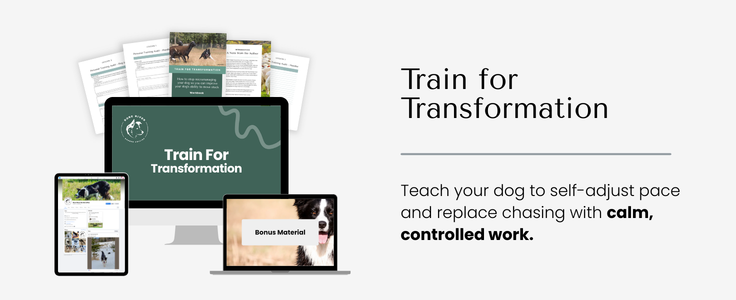
Join us in our Train for Transformation six part series that target's the topics of "chase on the fetch" and teaching the dog self-regulation.
It just shows you there’s more than one way to achieve a change of pace. So more than anything else, do what works for you.
In future posts we will explore other ways to teach pace.
Are you ready to develop a true partnership with your dog?
Join the Train for Transformation program. The series that's all about STOPPING the uncontrollable "chase" and teaching your dog to self-regulate it's pace.